
Pico Rivera’s City Directory Shelf
The verified collection is broad, but the exact Pico Rivera publisher and year run is not published in the open catalog. That distinction matters. A library description can confirm that a city directory collection exists without proving that a named volume covers a particular Pico or Rivera address. Ask a reference librarian to check the title page, edition, publisher, place coverage, reverse section, and abbreviation key.
| Collection | Years or scope | Where held | Access |
|---|---|---|---|
| Californiana city directories | Dating from the 19th century; Pico run not published | Norwalk Library closed stacks | Catalog and staff retrieval |
| California census schedules | 1850-1910 | Californiana Collection | On-site or reference help |
| Los Angeles Star | 1851-1879 | Californiana Collection | Paper or microfilm |
| Pico Rivera local history | Photos, history, and context | LA County Library online | Free discovery route |
| Federal census | Through 1950 public in 2026 | NARA, library databases, FamilySearch | Free or credential dependent |
| County land and vital records | Deeds 1850-present; births 1866, deaths 1877, marriages 1852 | LA County RR/CC | Custodian and eligibility rules |
| Sanborn maps | Pico-specific run not verified | LOC and catalog databases | Search Pico, Rivera, and nearby places |
The coverage table makes the main research rule plain: a city directory is one layer. It can supply a near-year address, while a county deed supplies a land party and the census supplies household composition. Use all three with care.
Norwalk’s Pico Rivera Directory Resources
The LA County Library Californiana Collection is in closed stacks at Norwalk Library, 12350 Imperial Highway. Its description lists more than 24,000 books and over 200 paper or microfilm newspaper and magazine titles. It also identifies California census schedules from 1850 through 1910, the Los Angeles Star from 1851 through 1879, official city and county histories, and city directories dating from the nineteenth century.
Pico Rivera Library at 9001 Mines Avenue and Rivera Library at 7828 Serapis Avenue are useful catalog and database branches. The local history page supplies a Pico Rivera context link, while Norwalk staff can retrieve closed-stack material. A Pico Rivera city directory may be discoverable through a branch catalog even when the volume itself is held in Norwalk. Contact the library before a trip because licensed databases may require a card, branch access, or current authentication, and a collection heading does not guarantee a specific edition.
The LA County Library local history page is the online discovery point for place names, images, and the story behind the two communities.
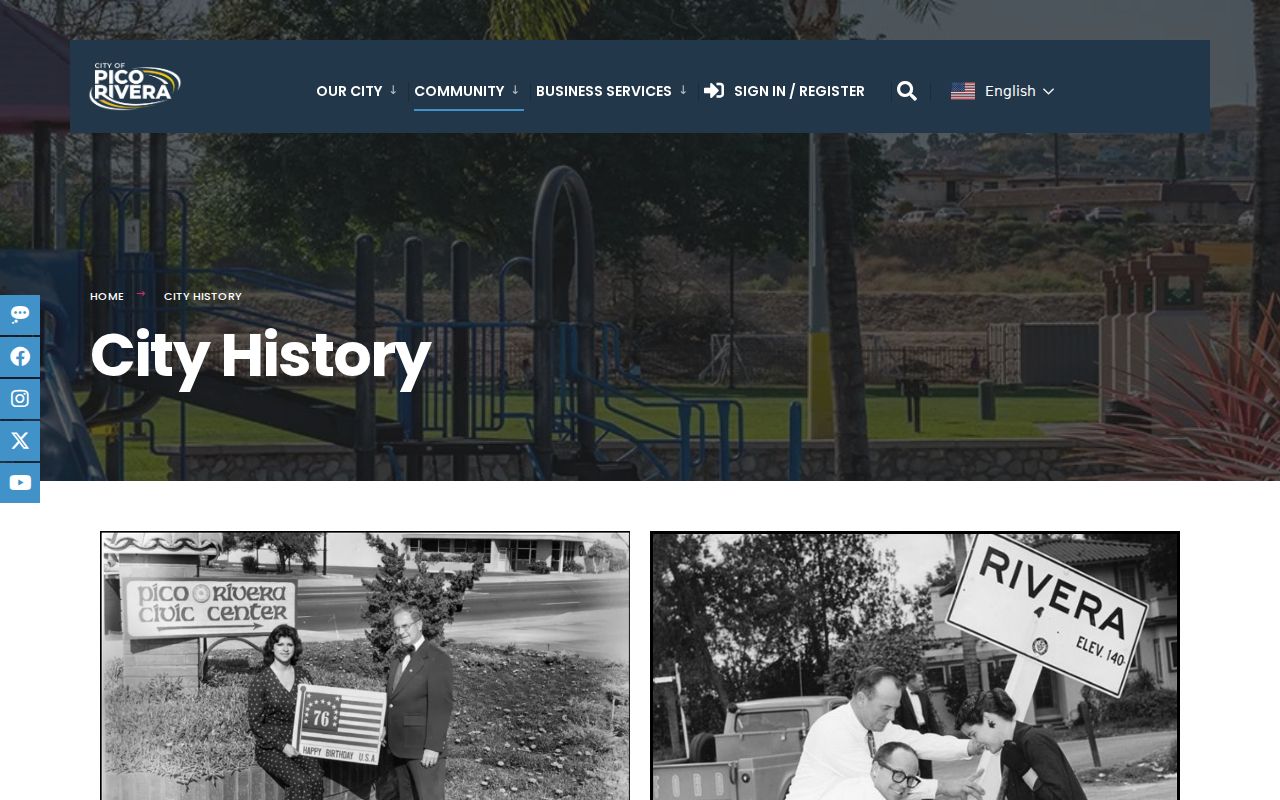
That context helps explain why a pre-1958 directory entry may be filed under Pico or Rivera instead of Pico Rivera.
The official Pico Rivera libraries page identifies the local branches that can help with catalog access.
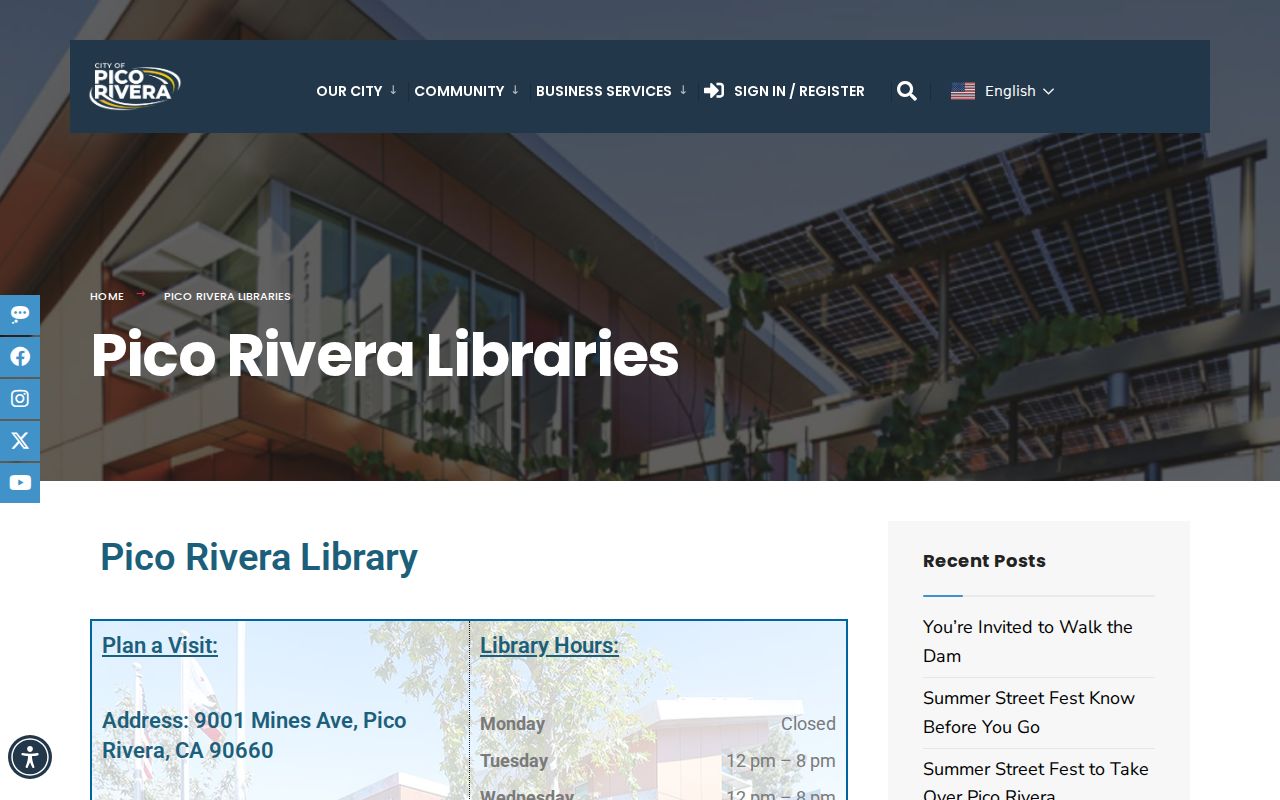
Branch access is a discovery aid; the deeper Californiana directory material is retrieved through Norwalk reference staff.
Norwalk is also close to the RR/CC campus. A focused research visit can pair a Recorder name/year index search with a Californiana request, but appointments and hours should be verified with each custodian.
Pico and Rivera Directory Names
Pico and Rivera developed as agricultural communities after rail lines crossed the area in the 1870s. Citrus, avocado, and walnut groves shaped the land through the first decades of the twentieth century. When postwar development replaced large farms with tract homes, the same land gained numbered lots and new street names. The city incorporated on January 7, 1958, joining the two names into one municipal record stream.
For a historic directory, search the two place names separately. Add Whittier, Montebello, Los Angeles County, and a county suburban heading when the address sits near a boundary. Search both the surname and address side. A directory entry may be indexed under a farm, route, or community label before a modern street number existed.
The change is an indexing geography issue, not proof that the person was absent. A later volume may use Pico Rivera while an earlier edition places the same household under Pico or Rivera. Keep the title page and place heading with each citation.
Pico Rivera City Directory Entries
A period city directory entry often begins with a surname, given name, or initial. It may add a spouse in parentheses, an occupation or business field, a residence address, a business address, and a telephone. An “h” can mark a householder or home, while “r” can mark a resident or roomer and “wid” can mark a widow. These conventions vary by publisher and year.
Read the front matter first. The abbreviation key, canvass note, publisher, and edition date define the evidence. A directory address describes the publication or canvass period, not an exact move-in date. Each publisher may use a different key. A telephone volume may list a subscriber and omit other adults. A missing name can result from an unlisted number, a missed canvass, a spelling variant, or a year with no coverage.
- Householder
- The person marked as the home or household contact in a directory convention.
- Criss-cross
- A reverse street section that turns a number into a subscriber or householder clue.
- Abbreviation key
- The publisher’s explanation of marks such as h, r, wid, occupations, or address codes.
- Directory year
- The edition or canvass label, not an automatic date for every move or event.
| Entry field | Research value |
|---|---|
| Name and initials | Search spelling, middle initial, and variant forms |
| Spouse or status mark | Possible household clue, subject to publisher rules |
| Occupation | Identity aid when paired with time and place |
| Residence address | Near-year location clue |
| Business or telephone | Subscriber or work connection, not a full household |
Reverse Listings in Pico Rivera Directories
A reverse listing starts with a street and number, then points to a subscriber or householder. It can be useful when a family name is unknown. Confirm that the edition actually contains a criss-cross section. Then read nearby numbers, record the exact street spelling, and compare the entry with a deed, census, or permit. Adjacent numbers help explain street order but do not prove that the same family owned every lot.
Older volumes may use a rural route, farm name, or predecessor community. Search street variants and place labels before deciding a number is missing. A modern subdivision may sit on land that once had no numbered residential address. The legal parcel and tract map can bridge that gap better than a guessed number.
No openly viewable Pico Rivera-labeled page was verified for a literal sample transcription. Norwalk staff should confirm a volume’s title page, year, publisher, coverage, and entry form before a quotation is made.
Pico Rivera Census and Directory Years
The 1950 census is a valuable bridge for Pico Rivera research. It is the newest full public population schedule in 2026 under the federal 72-year release rule, and it sits just before the postwar tract and incorporation transition. Census entries can show household members, relationships, ages, birthplaces, and occupations. A directory usually gives a nearer annual address but fewer household members.
Pair a census household with the closest directory edition, then use a deed to distinguish an owner from an occupant. Newspapers can add an obituary or community notice. Probate can connect a deceased resident to petitioners or heirs when those filings are public. A permit date can show when an address or building came into use.
The National Archives census research route explains the public schedule path.
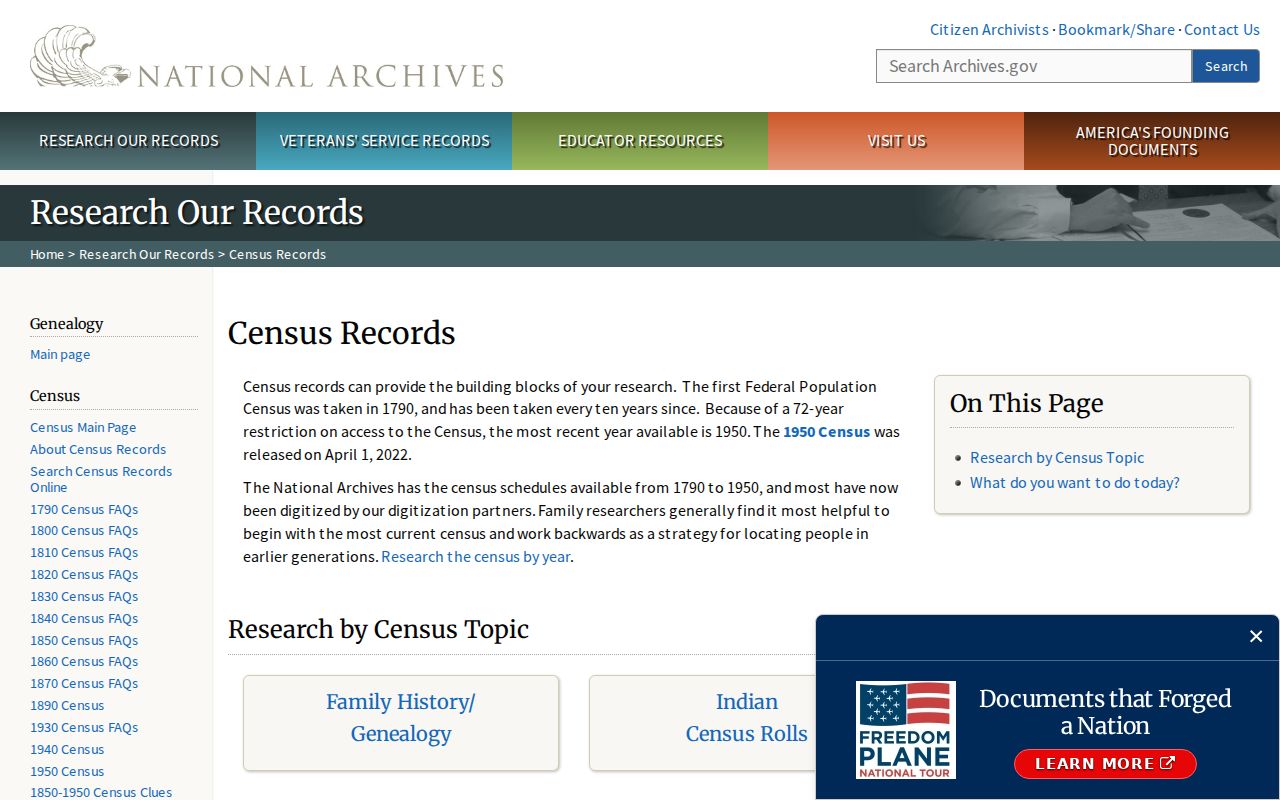
Census and directory entries answer different questions, so a strong household trace keeps both dates and evidence types visible.
Telephone Books Versus City Directories
A telephone book is often a subscriber list. A directory may include occupation, spouse, householder marks, business locations, or a reverse street section. Neither is a complete residents directory. The person who paid for service may not represent every adult, and a directory canvass may omit an unlisted household.
Use a telephone volume as a clue. Check the address against the same period’s deed, census, newspaper, or permit. Pay attention to publisher and edition. If the cover year is annual, the address still reflects a collection or canvass window rather than a precise move date. That small caution prevents a directory entry from being presented as a legal fact.
For a current address chain, use the modern assessor and Recorder routes described in the Pico Rivera street directory, not an old phone book.
Pico Rivera Archive Search Routes
FamilySearch’s catalog can be searched by California, Los Angeles, and record type such as land, probate, court, vital, naturalization, or military. A local directory search can sit beside those land and probate searches, but the catalog may show a film or image icon whose contract requires login or a FamilySearch Center or affiliate library. The California State Archives uses its Minerva catalog and reference staff for state agency and selected county or judicial material. County deeds generally remain with RR/CC, and older court files may remain with LASC or its Archives and Records Center.
Regional material can fill gaps. LA County Library’s local history pages, newspaper holdings, school yearbooks, church sacramental registers, railroad or packing-house publications, and funeral notices can all supply historic leads. Access depends on the custodian and privacy period. Ask for a specific name, date, event, or record series rather than a membership or resident roster.
State and federal archive access is a discovery route, not proof that a Pico Rivera-specific local volume exists.
Tracing a Pico Rivera Household
Start with a known name and address, then build a dated chain. Search the correct place label for the edition. Record the title page, page number, entry, and abbreviation key. Compare the entry with the 1950 census or a later census release. Use deeds for land, permits for construction, newspapers for family notices, and probate for a deceased person’s public estate trail.
- Write down the modern address, AIN, and legal or tract clues from the assessor.
- Ask Norwalk staff for a confirmed directory volume under Pico, Rivera, Whittier, or county coverage.
- Read the alphabetical and reverse sections, noting publisher marks and the exact edition window.
- Compare names, initials, spouse, occupation, address, and household facts with the closest census.
- Use the Recorder, probate, obituary, or permit record to test an ownership or life-event claim.
Research tip. The best evidence is a dated pair, such as a directory address and a census household, supported by a parcel or recorded document.
Do not merge records because a surname and county match. Search compound Spanish surnames, married names, initials, omitted accents, and spelling variants, then look for a second anchor. The historical volume is a lead to a person or household, not a current contact list.