
Sources for Pico Rivera Previous Residents
A house history needs a source for each era. Recorded land records can reach back to 1850, while the assessor supplies a modern assessment history and the city supplies permit reports. Directories and census schedules show people near a date. Vital records, obituaries, and probate can explain a death or family change. Aerials and subdivision maps show when a farm parcel became a tract.
| Source | Years it covers | Where held | What it shows |
|---|---|---|---|
| Recorded land records | 1850-present | LA County RR/CC Norwalk | Owners, transactions, legal description |
| Assessor history | Current plus about 32 assessment years | LA County Assessor Portal | Change clues, values, parcel traits |
| Permit reports | Modern monthly reports; archive start not published | Pico Rivera Laserfiche | Construction date and project actors |
| City directories | 19th century onward at collection level | Norwalk Californiana | Resident, subscriber, address clue |
| Federal census | 1850-1950 public in 2026 | NARA, library, FamilySearch | Household composition at ten-year points |
| County vital records | Births 1866, deaths 1877, marriages 1852 onward | RR/CC and CDPH | Life-event bridge with access rules |
| Aerial imagery | 2023 and older county sets | GIS-NET or related viewer | Physical change over time |
| Sanborn maps | Pico-specific years not verified | LOC and catalog databases | Footprint or use if a sheet exists |
The era table keeps previous residents research from becoming a list of guesses. Each row has a different evidentiary role, and each source has a different access channel.
Start with a Pico Rivera AIN
Begin at the Los Angeles County Assessor Portal with the exact address or AIN. Save the standardized situs, legal or tract clues, use code, year built, building area, and assessment history. Compare any displayed mailing address with the situs, but do not turn that comparison into a claim about occupants.
Estimate a current acquisition window from the assessment history. The AIN is the county assessment key, not the Recorder’s search key. It gives the name and year clue needed for the next step. The public portal can report a current roll and about 32 years of assessment history, but the effective date is a roll snapshot and a new deed may not have propagated.
Save the parcel map before searching names. Legal identity outlasts a street number, which matters for tracts that replaced orchards. Previous residents research is more reliable when the AIN stays fixed while names change.
Walk Back a Pico Rivera Deed Chain
Los Angeles County’s Recorder has an alphabetical index by party name and recording year. It cannot accept a street address or APN/AIN for a deed search. Use the current assessed owner and likely acquisition year as the bridge. Read the recorded instrument’s legal description, then verify that it matches the target parcel before moving backward.
- Search the current owner as grantee in the estimated recording year.
- Obtain the deed and note grantor, grantee, recording date, instrument number, legal description, and book or page where used.
- Search the grantor as an earlier grantee in prior years, keeping the same legal description in view.
- Repeat until the chain reaches the needed period or the land description changes.
- Keep deeds of trust, liens, releases, reconveyances, and notices of default separate from ownership transfers.
The RR/CC request route gives the in-person Norwalk, mail, and authorized ordering options. The published search charge is fifty cents per name per year, with a one-dollar minimum. Certified copies cost six dollars for the first page and three dollars for each additional page. A military discharge record has special access protection.
- Grantor
- The party conveying or granting an interest in the instrument.
- Grantee
- The party receiving the stated interest.
- Chain of title
- The linked sequence of instruments that explains land transfers.
- Legal description
- The tract, lot, or other land identity used to test whether two deeds concern the same parcel.
Where Pico Rivera’s Online Trail Ends
The offline Recorder index is a privacy-driven design choice, not proof that the records are secret. Inspect the Norwalk public indexes or send a focused written request. The request should identify names, recording years, document title, and the years to search. Copies can be ordered through the county route, with service or delivery charges on authorized vendor orders.
Older court files may also move from an online case summary to the filing courthouse or Archives and Records Center. Probate files are Superior Court records. County deeds generally remain with RR/CC. A public portal may show a summary while the certified or complete record requires a counter request.
That split makes a two-stop research day useful: RR/CC for the land chain and Norwalk Californiana for directories, newspapers, census material, and local histories. Verify hours and appointment rules first. The previous residents trail can then move from legal land evidence to dated household evidence without mixing the two.
Pico Rivera Eras and Best Sources
Match each period to the source that can actually see it. County land records begin in 1850. County-recorded marriages begin in 1852, births in 1866, and deaths in 1877. The 1950 census is the newest full public census schedule in 2026. City-created records start meaningfully at or after the January 7, 1958 incorporation, while land records and life events predate the city by decades.
| Period or question | Best first source | Bridge to the next source |
|---|---|---|
| Farm or early land | RR/CC deeds, maps, census, newspapers | Legal description and community label |
| Pre-incorporation household | 1950 census and directories | Pico, Rivera, Whittier, county search terms |
| 1950s tract build-out | Deed, subdivision map, permit, aerial | AIN, lot, building date, new address |
| Municipal era | City Laserfiche and RR/CC | Permit, report, deed, or directory tie |
| Life-event endpoint | Vital, probate, obituary | Certified or custodian-held record |
A land owner is not automatically a past occupant. A directory occupant is not automatically a deed party. State the source role beside every name.
From Orchard Parcels to Pico Rivera Tracts
Pico and Rivera were agricultural communities between the Rio Hondo and San Gabriel River. Rail lines arrived in the 1870s, and citrus, avocado, and walnut groves shaped early land use. After World War II, developers cleared large farms for tract homes, schools, churches, commercial sites, and industrial uses. The modern address can therefore be young while the land title is much older.
Use a deed and parcel map to establish the legal land. Use an aerial or permit to date the building. Use a directory or census entry to identify a household near the suburban address. This source switch is the best way to trace previous residents across the agricultural-to-tract break.
The city’s incorporation vote unified the two community names on January 7, 1958. Search pre-1958 people under Pico and Rivera separately, then test Whittier and county suburban coverage. A missing “Pico Rivera” hit may be a place-name issue rather than a gap.
1950 Census Before Pico Rivera
The 1950 census is unusually useful because it captures the region just before major tract change and municipal incorporation. It can show household members, relationship, age, birthplace, and occupation at a ten-year snapshot. A city directory can then supply a nearer address, while a deed can separate ownership from occupancy.
Search the federal schedule under the correct predecessor place. Pair one census household with a directory edition, an obituary, a probate case, or a permit. Do not treat a census household as a present address, and do not assume that a family stayed after a deed transfer.
Federal materials can be found through the National Archives research path, the library, or a catalog partner with its own access terms.
Pico Rivera Permits, Aerials, and Court Files
The city Laserfiche library can connect a street address to a building permit, work description, applicant or contractor, issue date, and valuation. Monthly permit and new-business reports are snapshots, and older detail may need a focused CPRA request. A permit helps date a structure or alteration; it does not identify all people who lived there.
GIS-NET and related county imagery can show physical change. The county page notes loading issues for some older aerial sets from 2011, 2008, 2006, and 2001 to 2002. A failed layer is not evidence that a structure did not exist. Compare the image with a legal map and permit.
When an old resident appears in a court record, LASC may show a case summary or require a clerk or Archives request. Federal matters use the Central District of California and PACER.
The Central District of California is the federal court covering Los Angeles County.
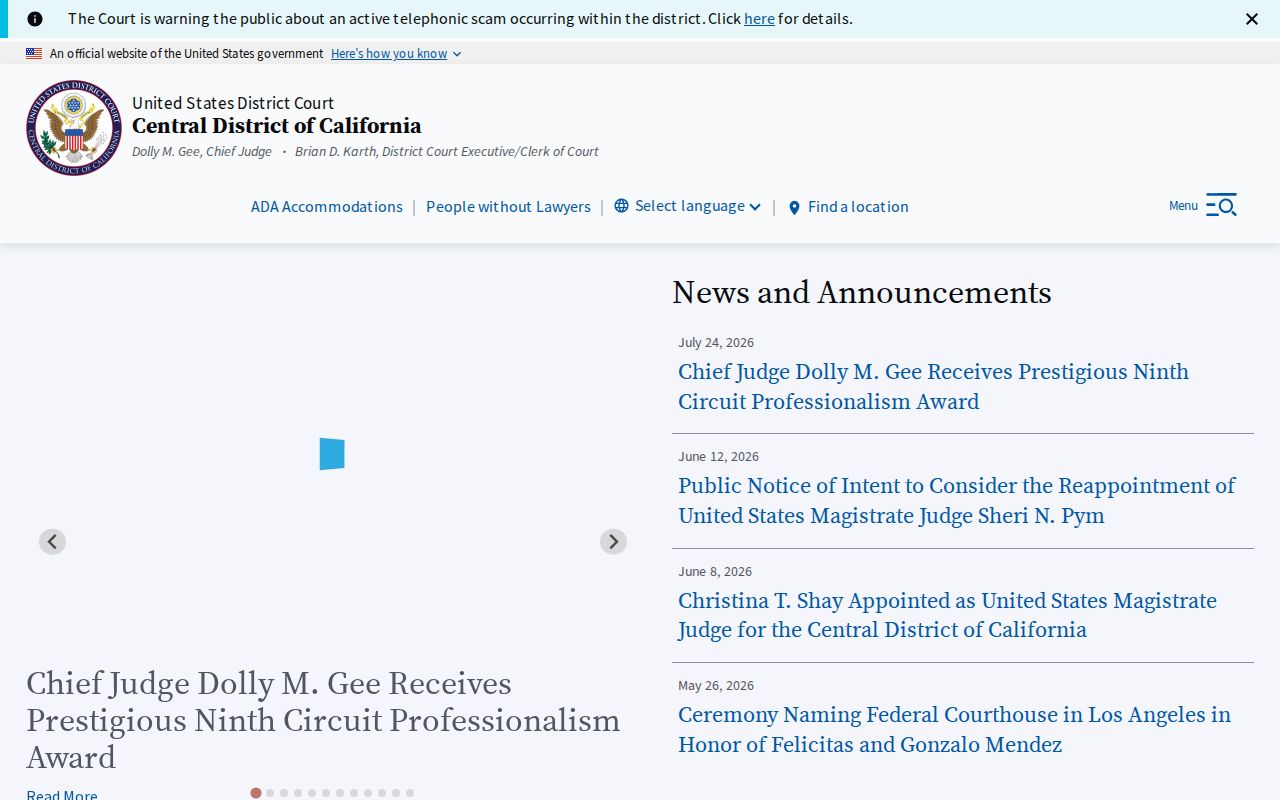
Federal court access is a separate branch of a past-person search, not a replacement for the county deed or directory trail.
Federal docket documents are reached through PACER when the matter is federal and not sealed.
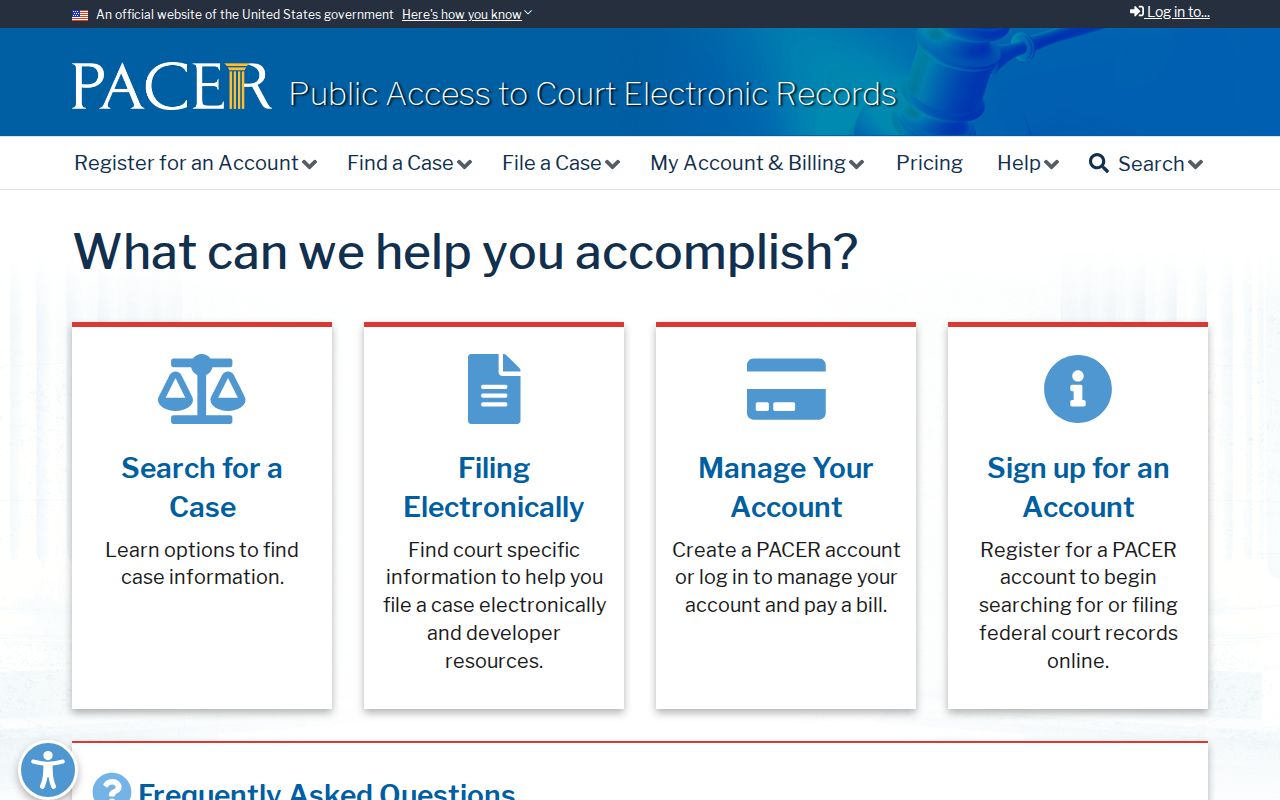
Keep the case number, court, party role, and date with any federal result so a same-name record is not misread.
Pico Rivera Addresses Before Numbers
A modern street number may postdate the household being traced. Tract development replaced agricultural parcels, and incorporation joined two earlier communities. The older record may use a farm, route, lot, tract, legal description, or predecessor place. No official citywide street-renumbering year was verified, so a claimed renumbering date should not be invented.
Use the AIN, tract and lot, subdivision map, recorded deed, and historic aerial as the bridge. Then search directories under Pico, Rivera, Whittier, and county suburban coverage. A legal parcel identity can survive an address change even when a simple street search cannot.
Using Previous Residents Evidence Lawfully
Past households belong to family history, property history, civic research, and other lawful personal questions. A directory entry, deed, census line, obituary, permit, or court summary has a stated scope. Keep that scope with the citation. Public availability does not make every name current, complete, or safe to republish.
Personal-use limit. Use a Pico Rivera previous residents search for lawful research. Do not use an old address, household name, or court lead to stalk, threaten, intimidate, or harass any person.
For current ownership or an address-keyed search, use the Pico Rivera street directory. For the exact historical volumes, use the directory book route. The backward trail is strongest when each past resident claim has a dated source and a matching land or household anchor.